Heraldry in New Zealand

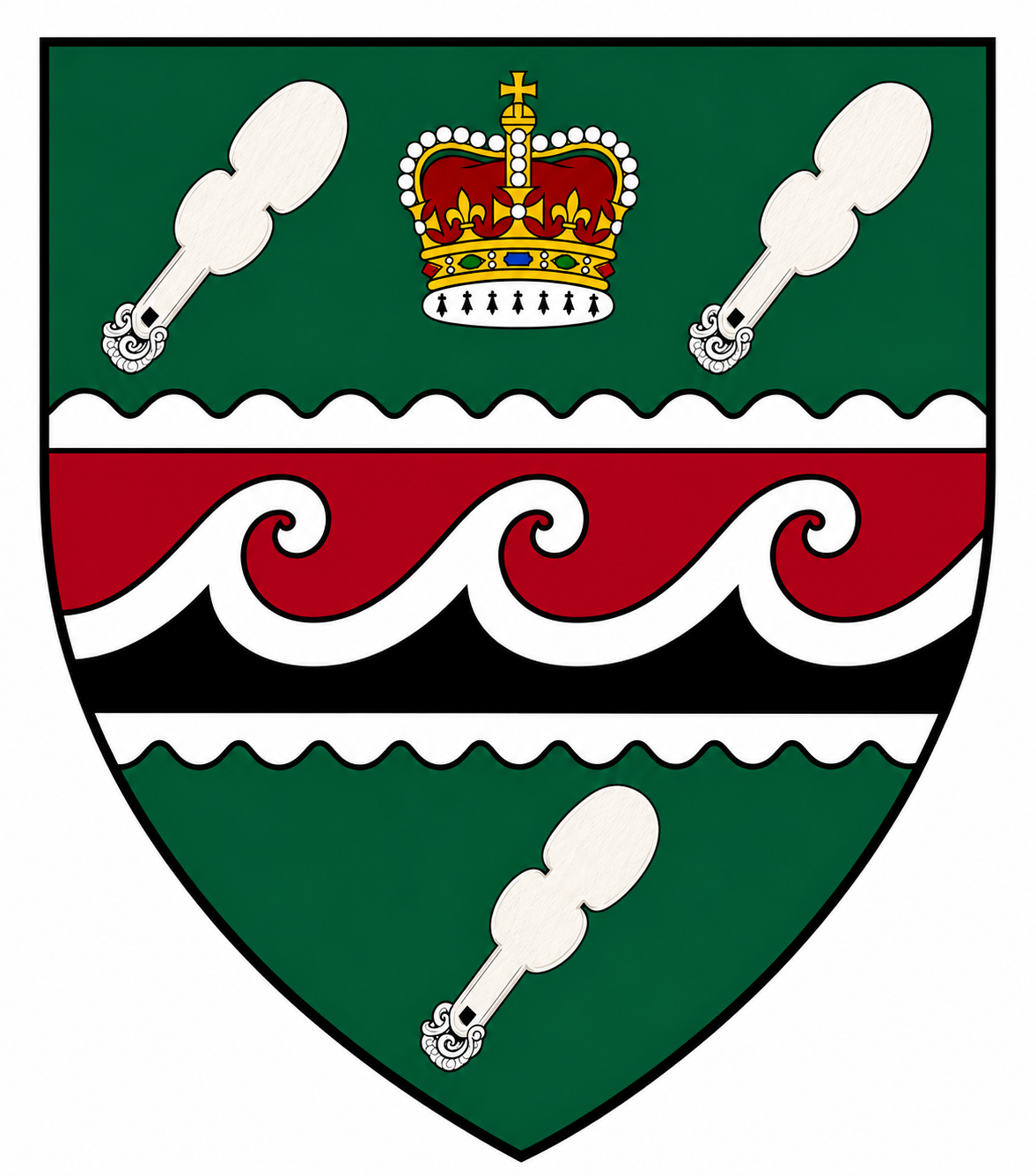
Heraldry, in New Zealand, evolved out of British traditions, but over time, it has developed its own distinctive expressions. Increasingly, New Zealand heraldry incorporates local flora, fauna, and cultural motifs, creating designs that are both rooted in tradition and expressive of our own time and place. By blending together different artistic, cultural, and religious traditions, heraldry continues to make meaningful symbols for the 21st century.

Out of the Past

Heraldry began appearing in New Zealand through the country’s early connections with Britain and the wider imperial world. Long before distinctively New Zealand arms were common, heraldic devices were already throughout the country on official documents, seals, maps, grants, and correspondence.

Arms associated with explorers, governors, military officers, government departments, corporations, churches, and public institutions helped establish heraldry as part of New Zealand’s visual landscape. Symbols of Britain belonged to an older tradition but were seen and used in a new setting.

By the early and mid-nineteenth century, heraldry could be found in the formal language of government and law, especially on printed and manuscript material connected with administration, land, and public authority. These examples were not yet a local heraldic tradition in themselves, but they provided the framework from which New Zealand heraldry could grow.

A New World

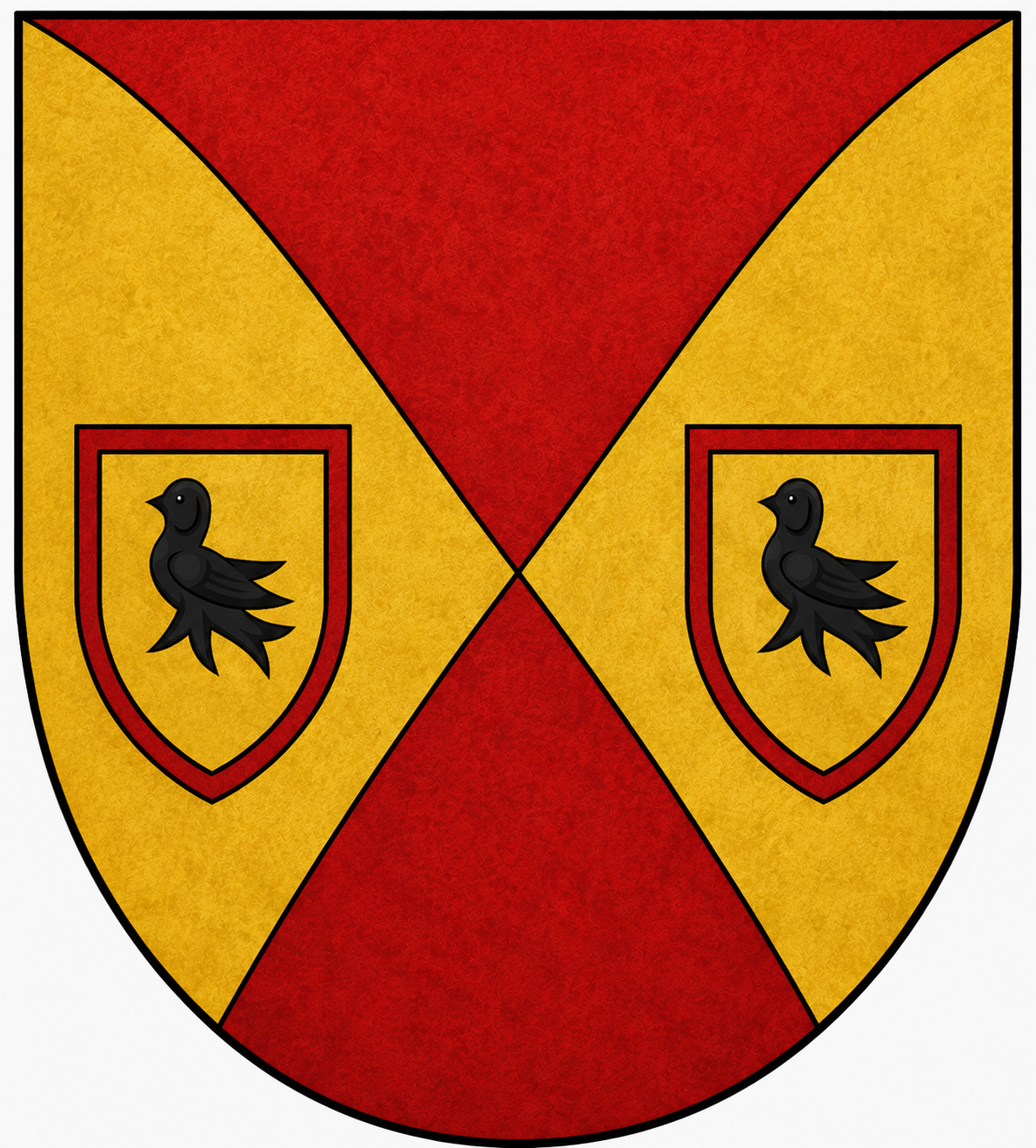
Heraldry is at its strongest when it is both recognisably traditional and clearly particular to the person or institution it represents. In New Zealand, that often means the use of local plants, birds, landscapes, patterns, and historical references within the traditional heraldic structure.

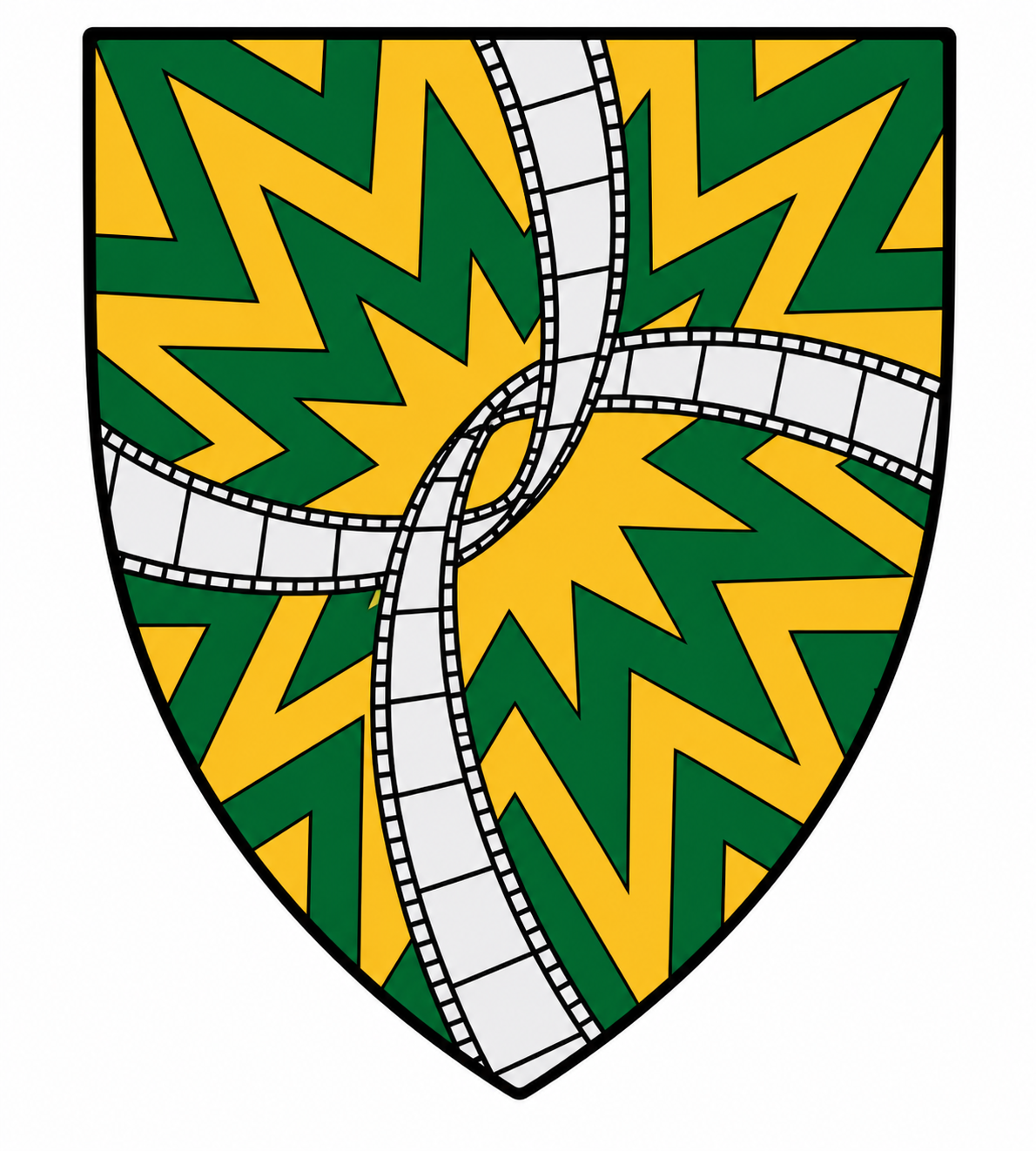
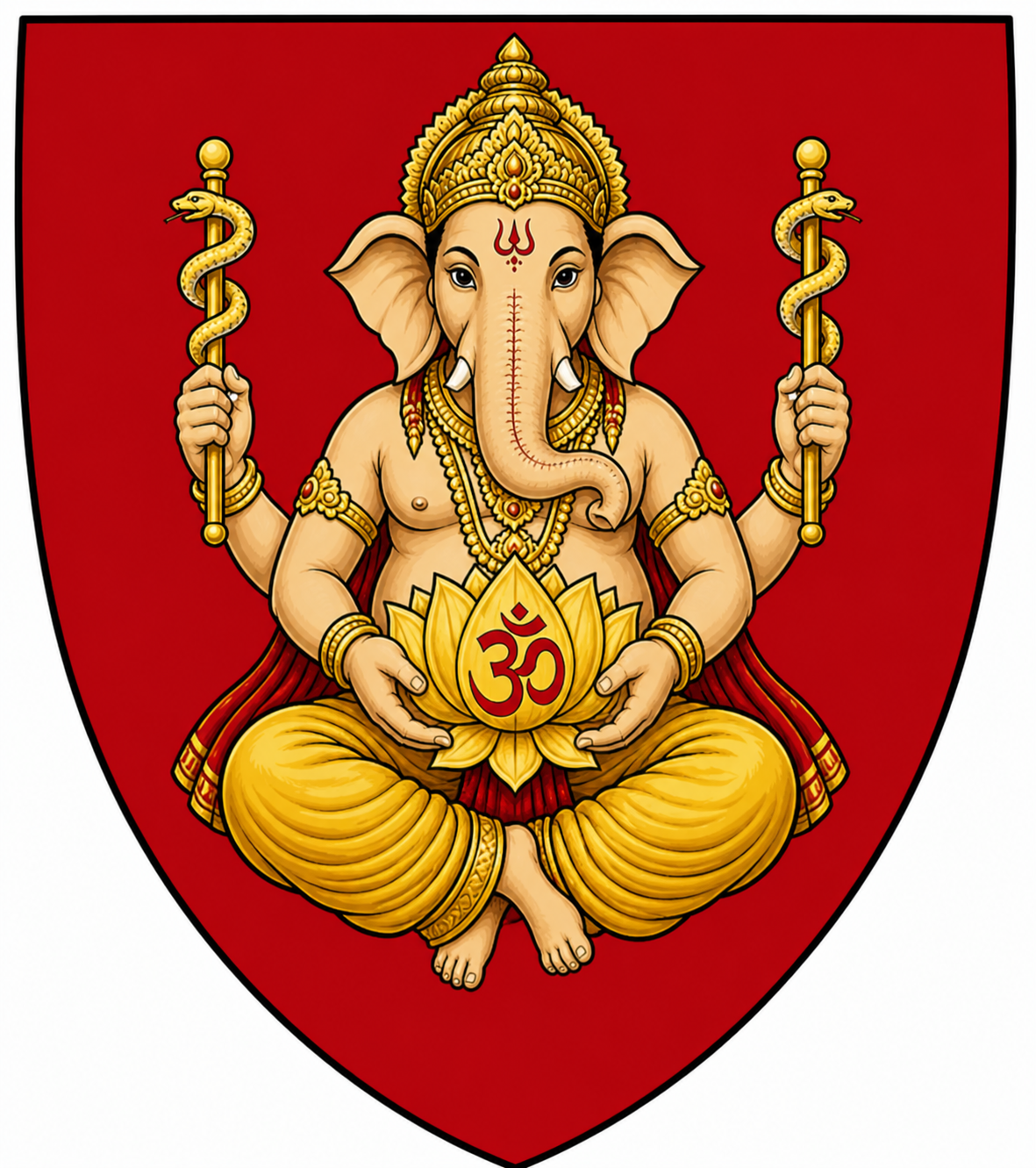
Modern heraldry around the world shows how flexible the system can be. New arms may refer to traditional professions like medicine, law, and education, but can also illustrate new professions like engineering, film, and sport. They can demonstrate other features of a person's character like their public service, faith, family history, or personal achievement. All of these subjects can be expressed without abandoning heraldic discipline.

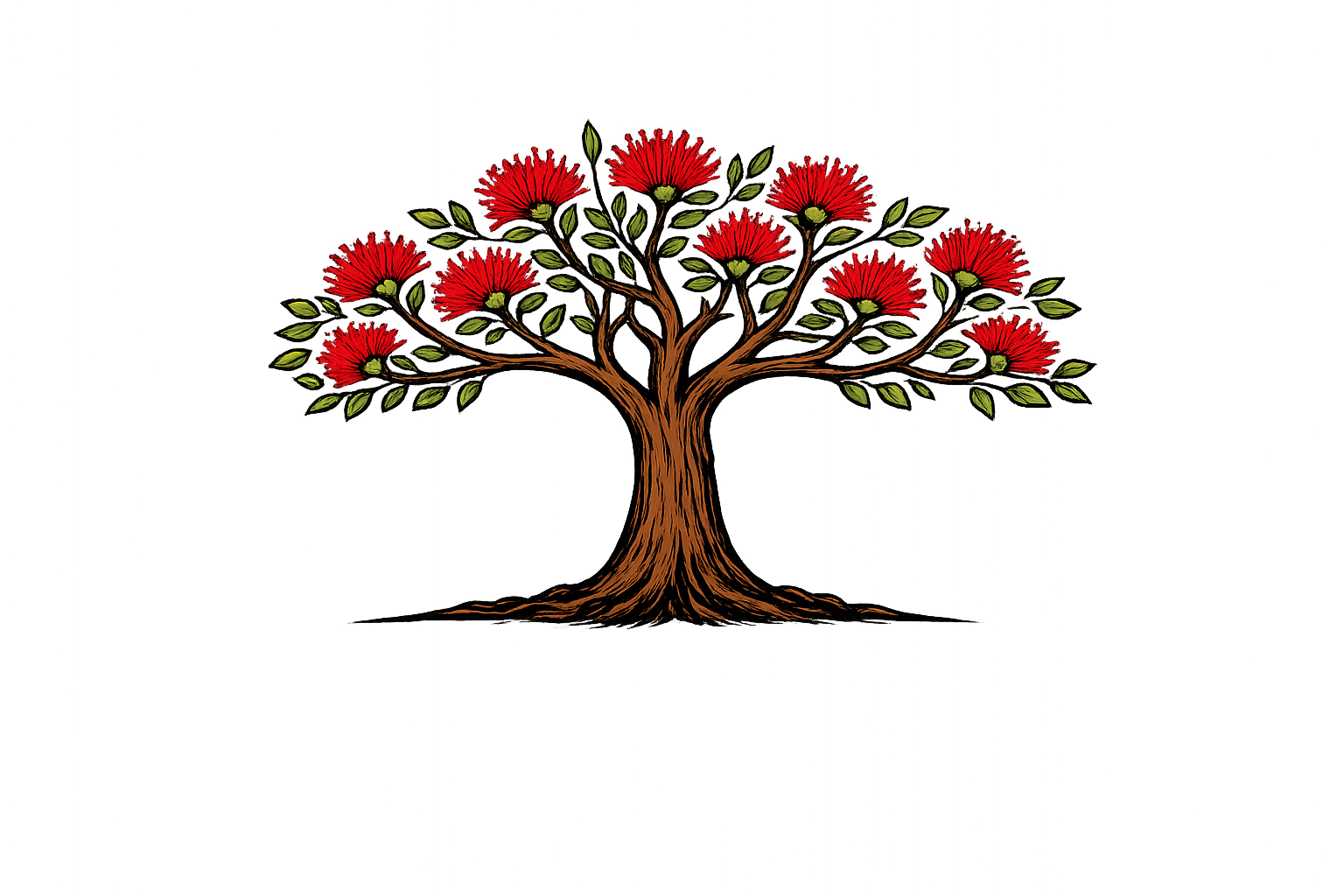
This same flexibility allows New Zealand imagery to sit naturally within heraldry. Charges such as kiwi, kōtuku, tūī, fern, pōhutukawa, mānuka, kōwhai, mountains, rivers, stars, waves, and volcanic forms can give arms a strongly local character while still working within the traditional language of blazon.

Into the Future

In the future, the best New Zealand heraldry will not have to abandon tradition. It will use traditional heraldic structure to express something particular to this country. It will be imaginative, multi-cultural, distinctly kiwi, and a bridge between the past, present, and future. For example, traditional heraldic creatures and symbols can easily be adapted and reinterpreted through New Zealand’s own environment, stories, and artistic references.

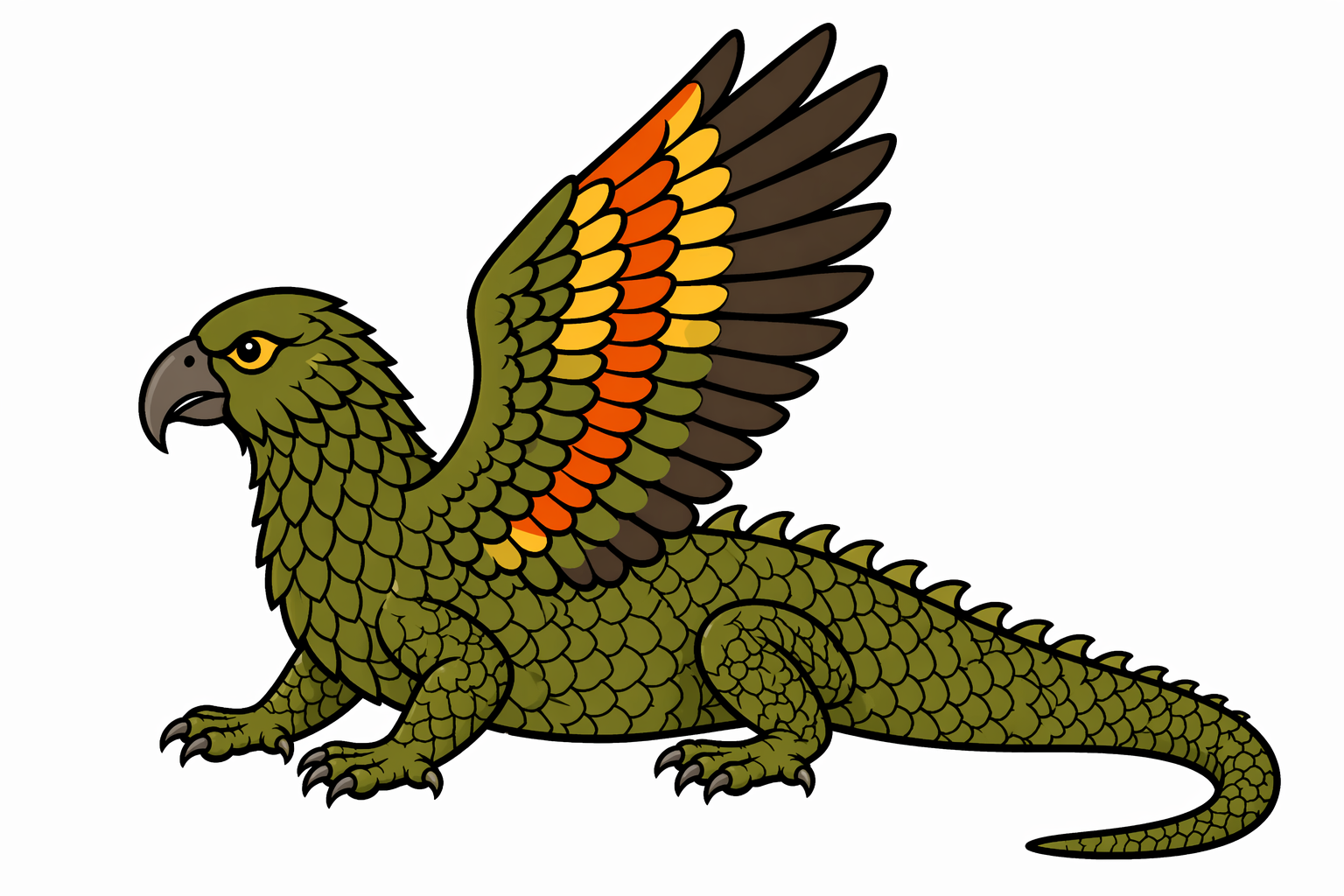
A mythical creature such as a dragon, griffin, wyvern, or heraldic beast need not be copied directly from European models. It could be reshaped through local inspiration: a kea-like creature, a tuatara-like guardian, a taniwha-inspired form, or a carefully designed hybrid such as the Keatara.

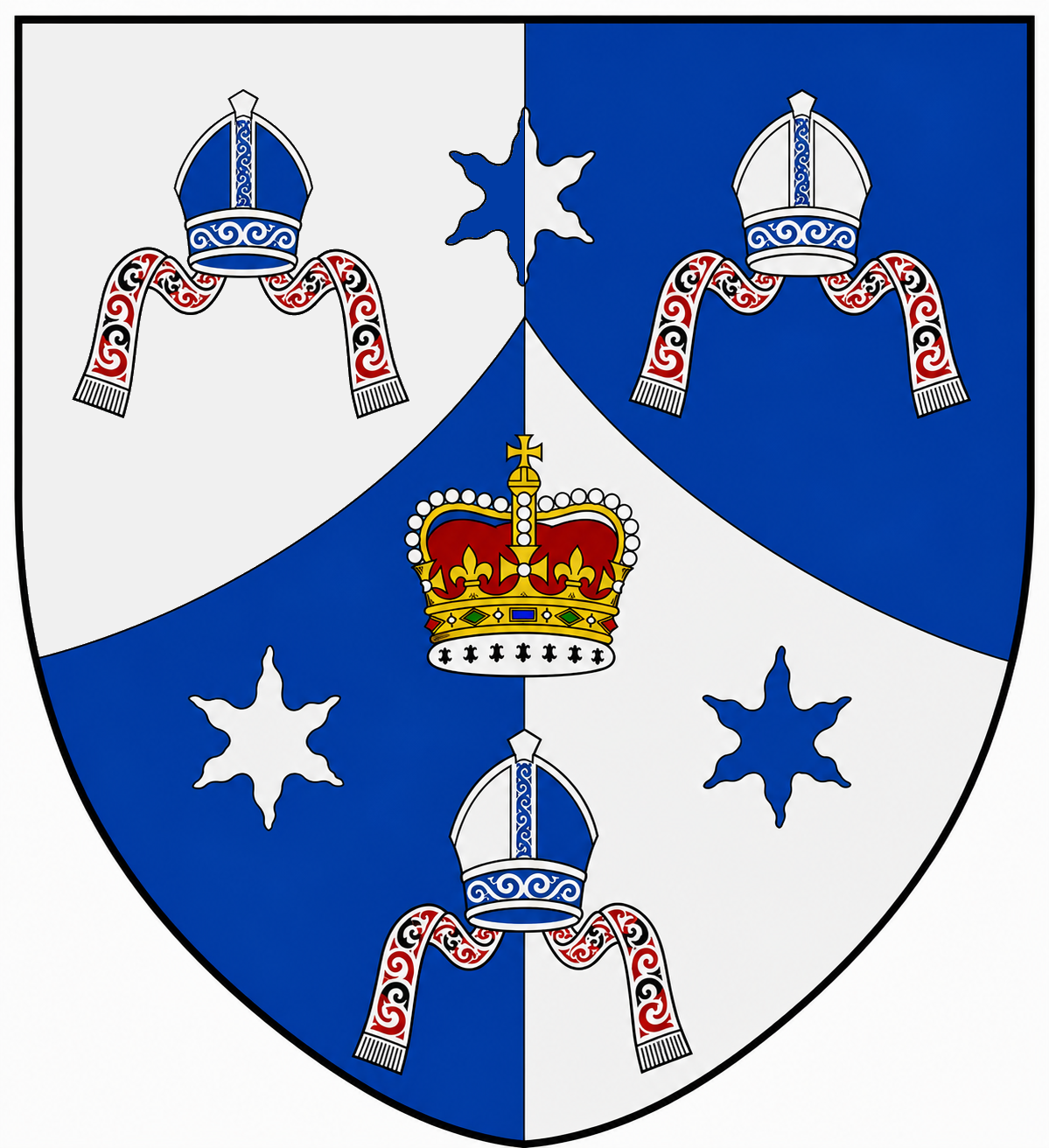
There is also room to explore Māori and Pacific design influences with care, consultation, and respect. Used thoughtfully, these influences could help create arms that are unmistakably connected to New Zealand while remaining part of the wider heraldic tradition.

Heraldic Bestiary: Old Favourites and New Ideas

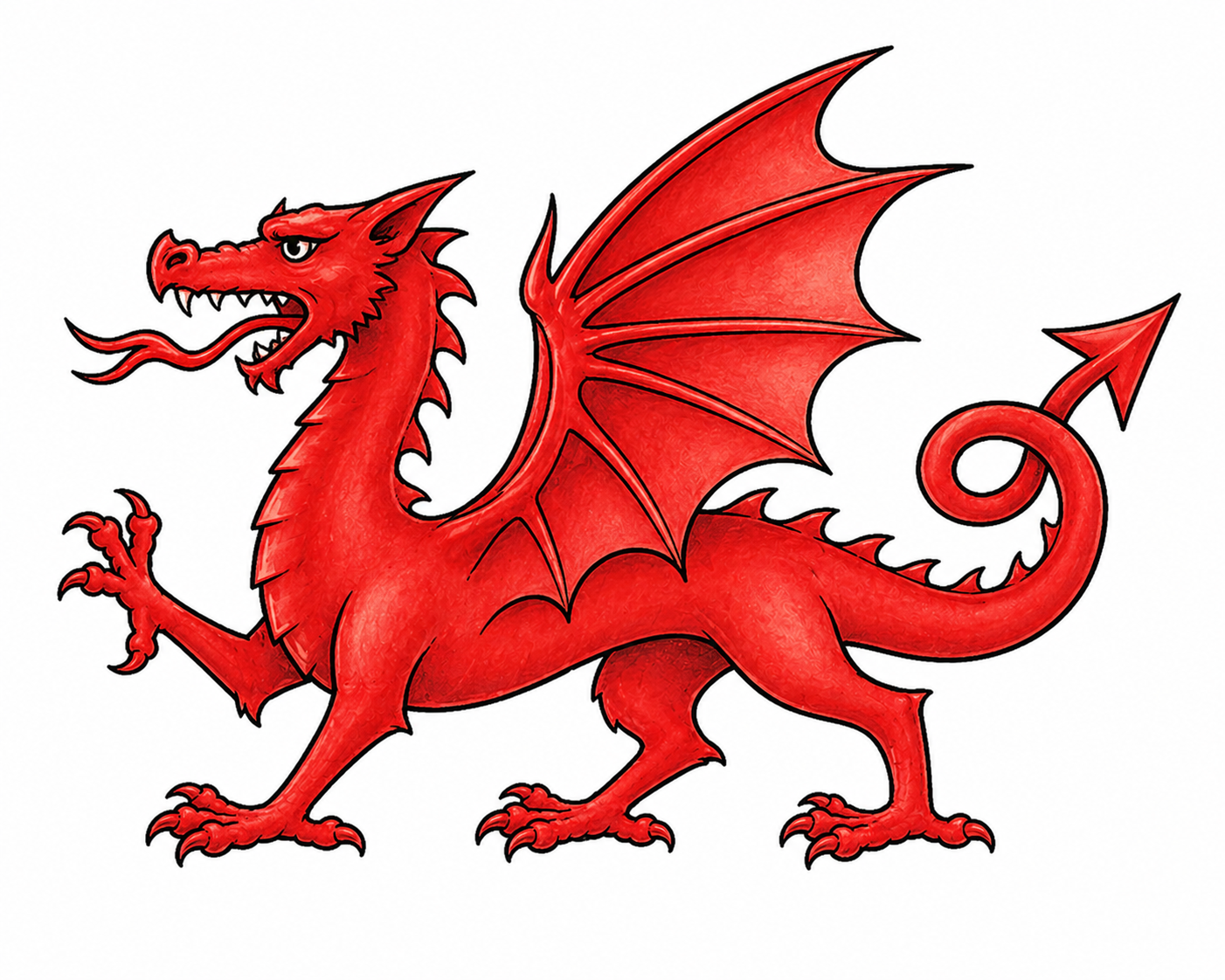
Traditional heraldic dragon
Dragon
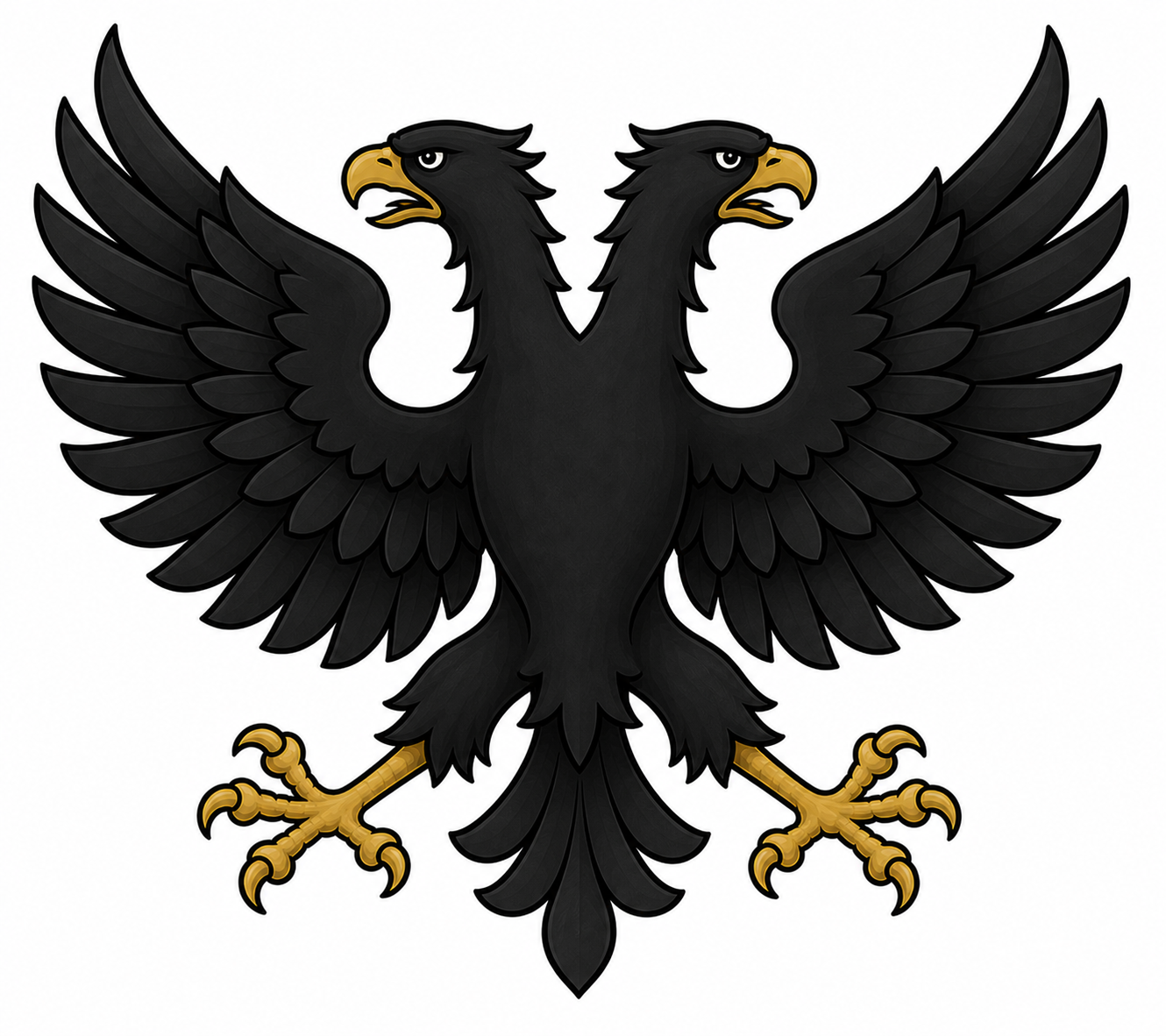
Traditional double-headed eagle
Double-headed Eagle
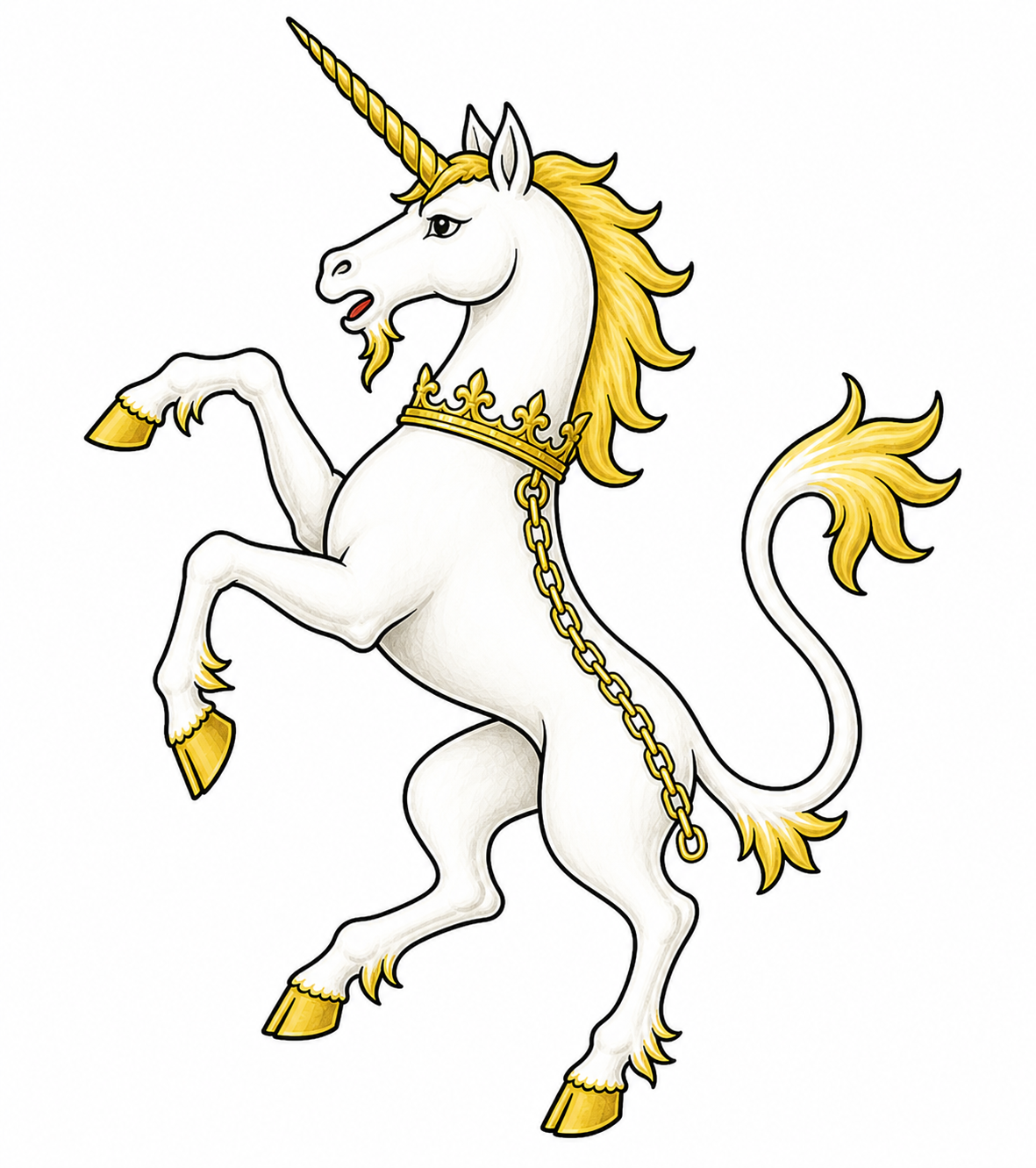
Unicorn
Unicorn
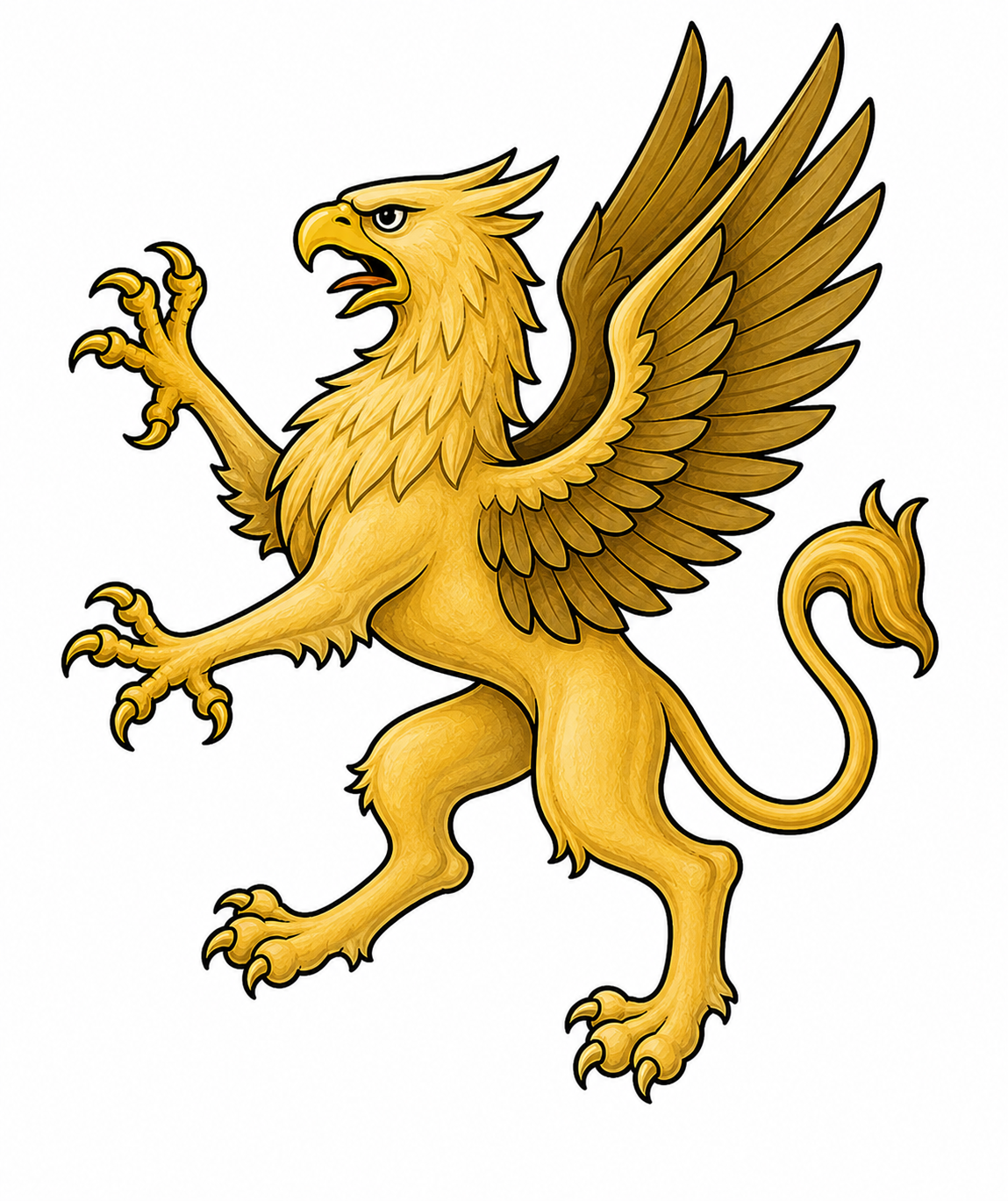
Griffin
Griffin
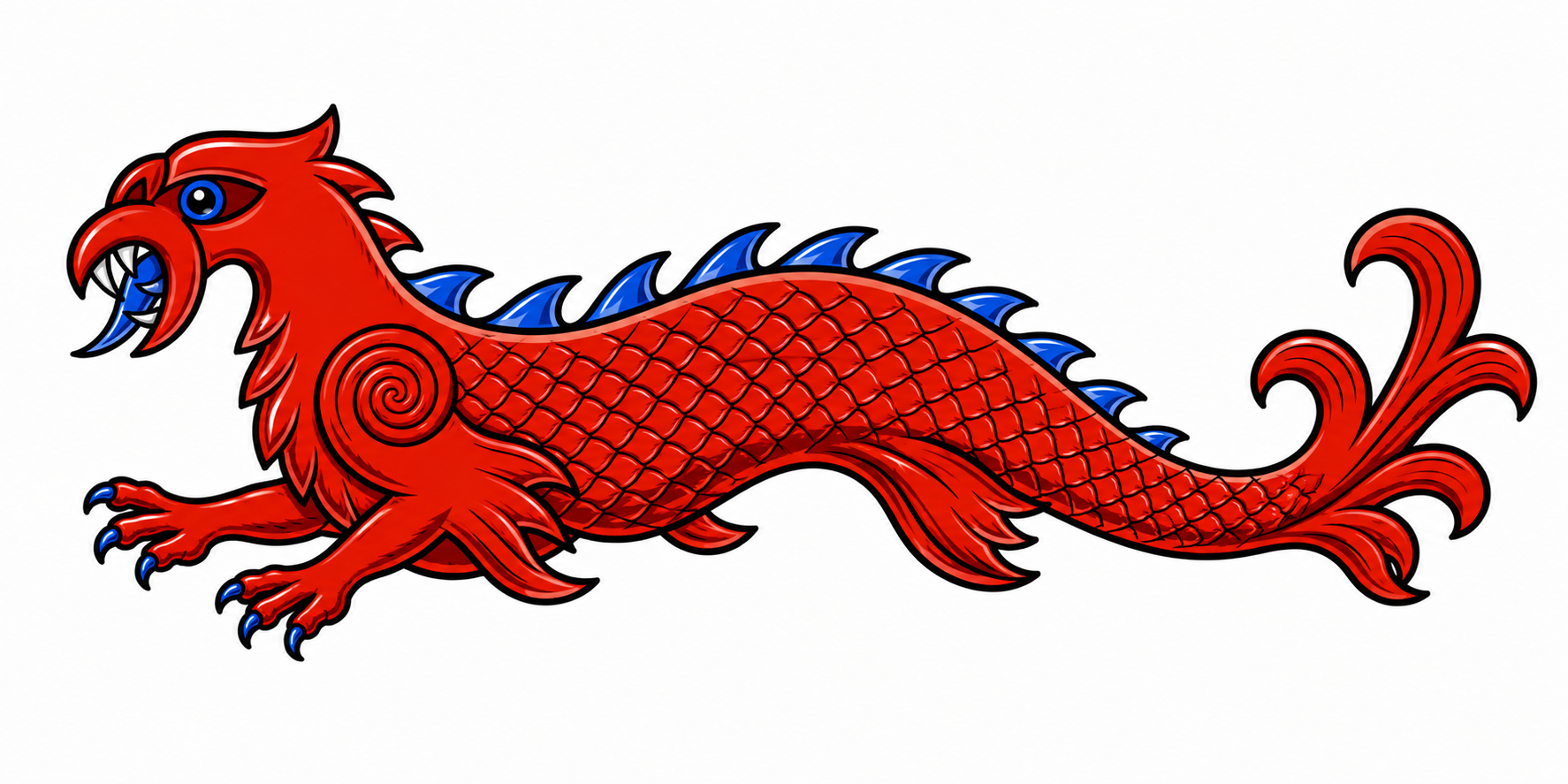
Heraldic taniwha
Taniwha
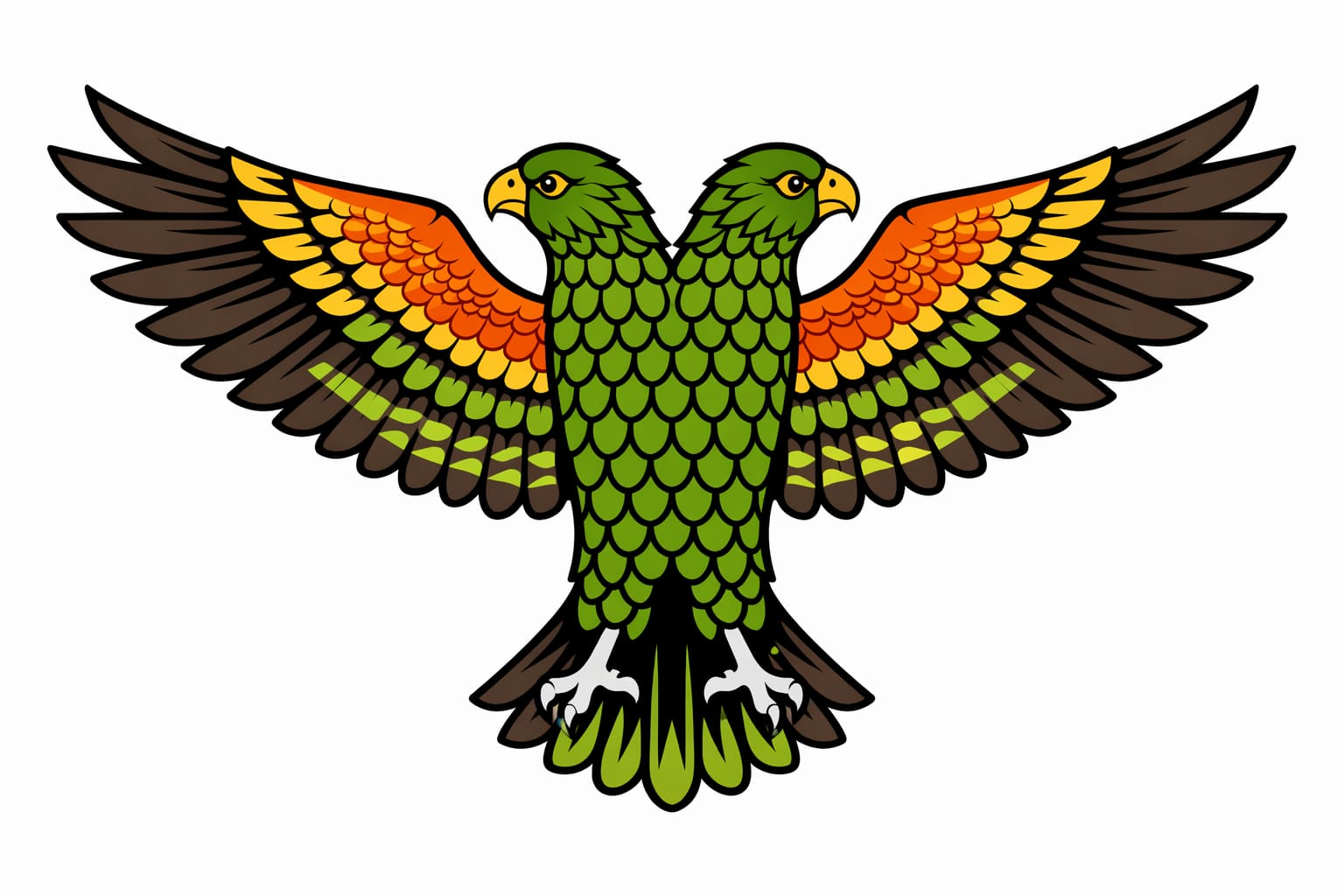
Double-headed Kea
Double-headed Kea
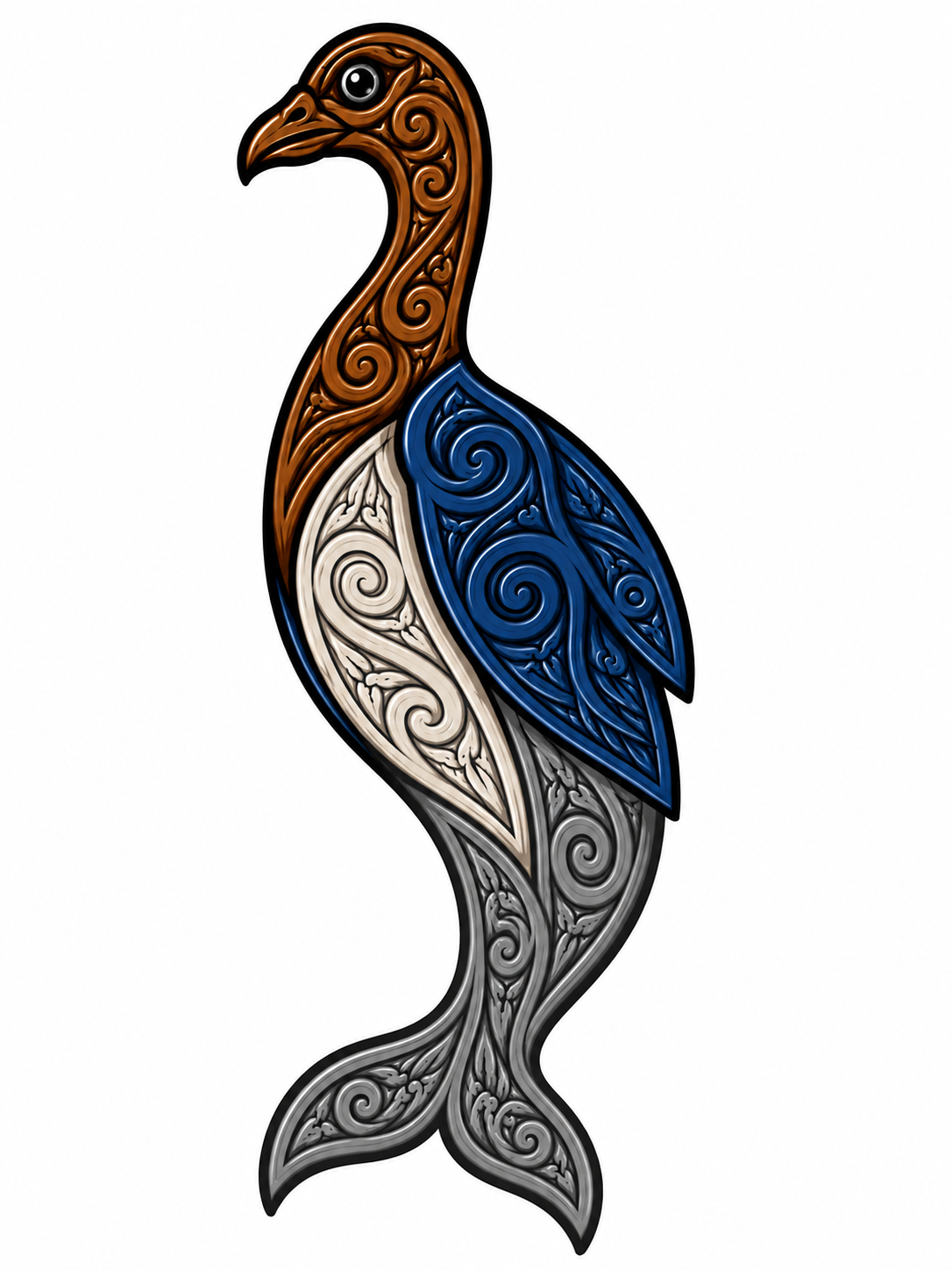
Ocean Moa
Ocean Moa
The Keatara
Keatara