Heraldry

Heraldry is a system of visual identification in which colours, patterns, and symbols are arranged on a shield to represent a person or institution. These designs are never arbitrary. Each part is described using precise language developed over many centuries. This wording allows a coat of arms to be recorded and reproduced accurately across time and place. In this way, heraldry functions both as an art form and as a structured method of communication.

Each coat of arms begins with a description called a blazon. This blazon outlines, in a very specific way, how the elements shown on the shield should be placed. Because the language was developed over 800 years ago, some of the terminology is unfamiliar. For example, the colours are generally given by their Anglo-Norman French names, the language used in England in 1200.

Tinctures

Heraldry uses a limited and specific palette of colours called tinctures. These are usually divided into metals and colours. The metals are gold and silver, often shown as yellow and white. All of the others are colours.
OrGold or yellow
ArgentSilver or white
GulesRed
AzureBlue
SableBlack
VertGreen
PurpurePurple
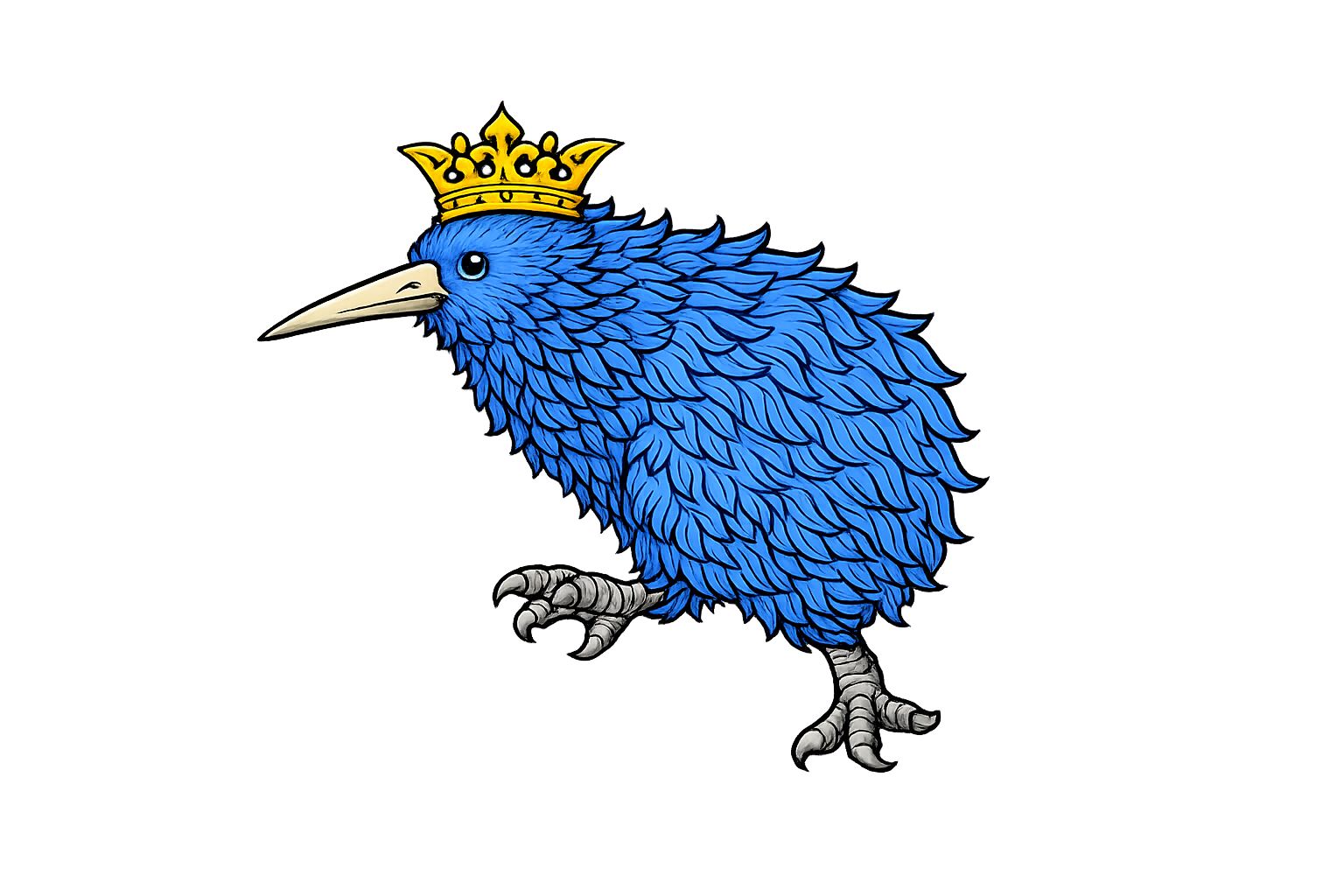
A Kiwi, Azure, crowned Or

All are traditionally shown clearly and flatly so that a design can be recognised at a distance. It has been a rule for centuries, the Rule of Tincture, that one does not overlap the two metals, or any two of the colours. This is not an arbitrary, arcane rule, but a recognition that some colours do not show up well against others at a distance. This concept is still applied in modern artistic theory to this day.

The palette of heraldry is made up of clear colours easily recognised by most people. Other colours, such as orange, brown, or pink do occur in heraldry, but they are rare as people could misinterpret orange as either a shade of red or yellow. In medieval battles, lives depended on recognising colours correctly, so it was a good idea to avoid uncertainty!

It is important to note that in heraldry, all artistic representations of the blazon are equally valid, so long as they accurately represent the design. This means artists have stylistic licence, as long as their choices are not likely to be misinterpreted. An artist is free to use any shade of green that he or she wishes when depicting a Vert shield. However, if the shield is shown as teal, or lime, people might misinterpret the colour as blue or yellow, which would not represent the blazon correctly.
Divisions of the Field

Of course, the colour of a shield is only the first step in designing heraldry. The field is the background of the shield, and it may be a single tincture or divided into regular areas using established patterns. The traditional term for this is Division of the Field. Many of these patterns have been in use for centuries and are so widely recognised that they form the foundation of countless designs.

These divisions are also known as partitions. They organise the field into clear sections, making a design easier to describe, recognise, and reproduce.

Per paleDivided vertically
Per fessDivided horizontally
Per bendDiagonal division
Per bend sinisterReverse diagonal
QuarterlyDivided in quarters
Per saltireDiagonal cross division
GyronnyRadiating divisions

Partitions should also be distinguished from a “variation of the field”. A variation of the field covers the shield with a repeated pattern, such as chequy, paly, bendy, or small recurring shapes, rather than dividing it into a few large sections. By combining different tinctures with partitions and variations, heraldry achieves variety while keeping the design clear and structured.

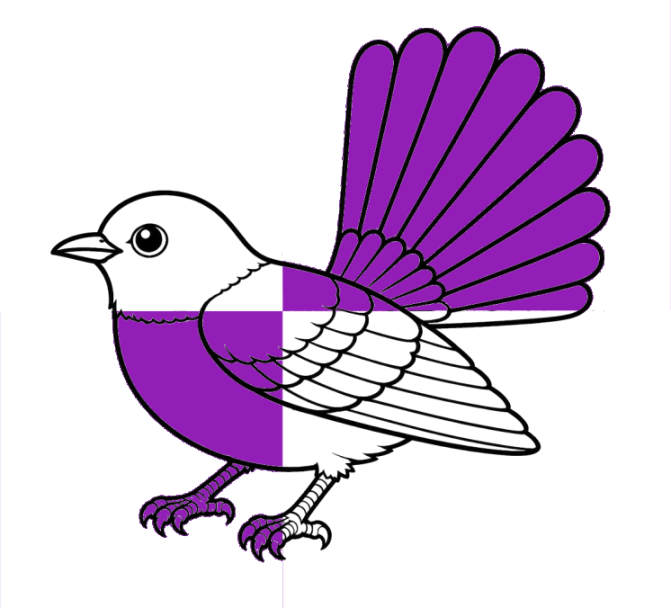
A Fantail quarterly Argent and Purpure

Charges

Charges are all of the shapes and objects that are placed on a shield to make it distinct from others. Some are uncommon and unusual, other are simple, geometric patterns used for centuries. These simple geometric figures are referred to as Ordinaries. They are among the most recognisable elements in heraldry and often form the main structure of a coat of arms. Unlike a division of the field, which describes how the background of the shield is divided, an ordinary is a charge placed upon that background. Because these figures are bold and easy to recognise, they are especially useful for creating clear and memorable arms.

FessHorizontal band
PaleVertical band
BendDiagonal band
Bend sinisterReverse diagonal band
ChevronAngled figure
CrossVertical and horizontal bands
SaltireDiagonal cross
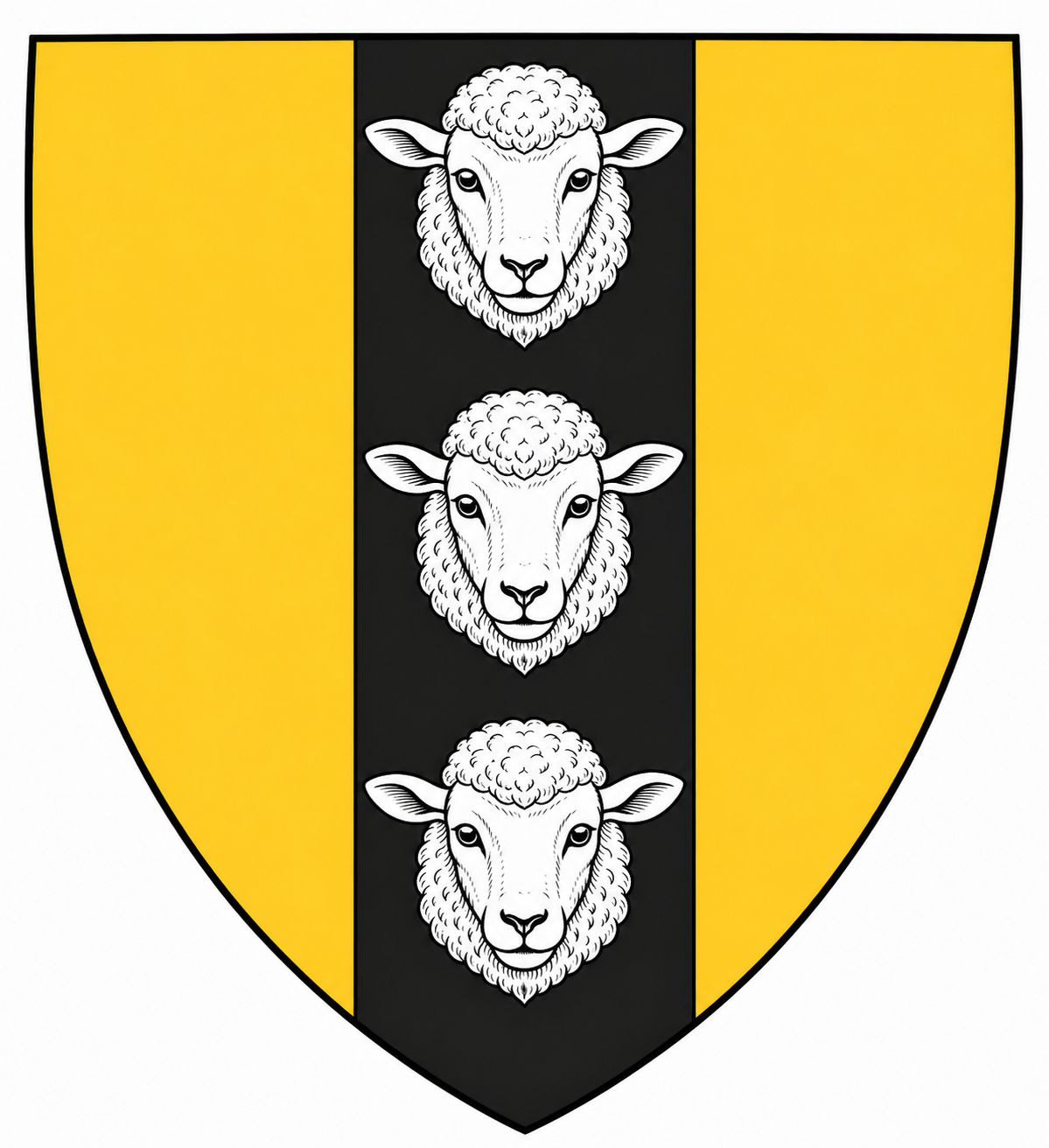
Or, on a pale Sable three sheep's heads affronty Argent
Or, on a pale Sable three sheep’s heads affronty Argent

Charges can also be placed on top of ordinaries to add further originality to a coat of arms. A simple ordinary such as a pale, fess, bend, or chevron may be made much more distinctive by placing another charge upon it. This gives the designer more ways to create a clear and memorable shield, while also helping to ensure that the arms do not duplicate an existing design.

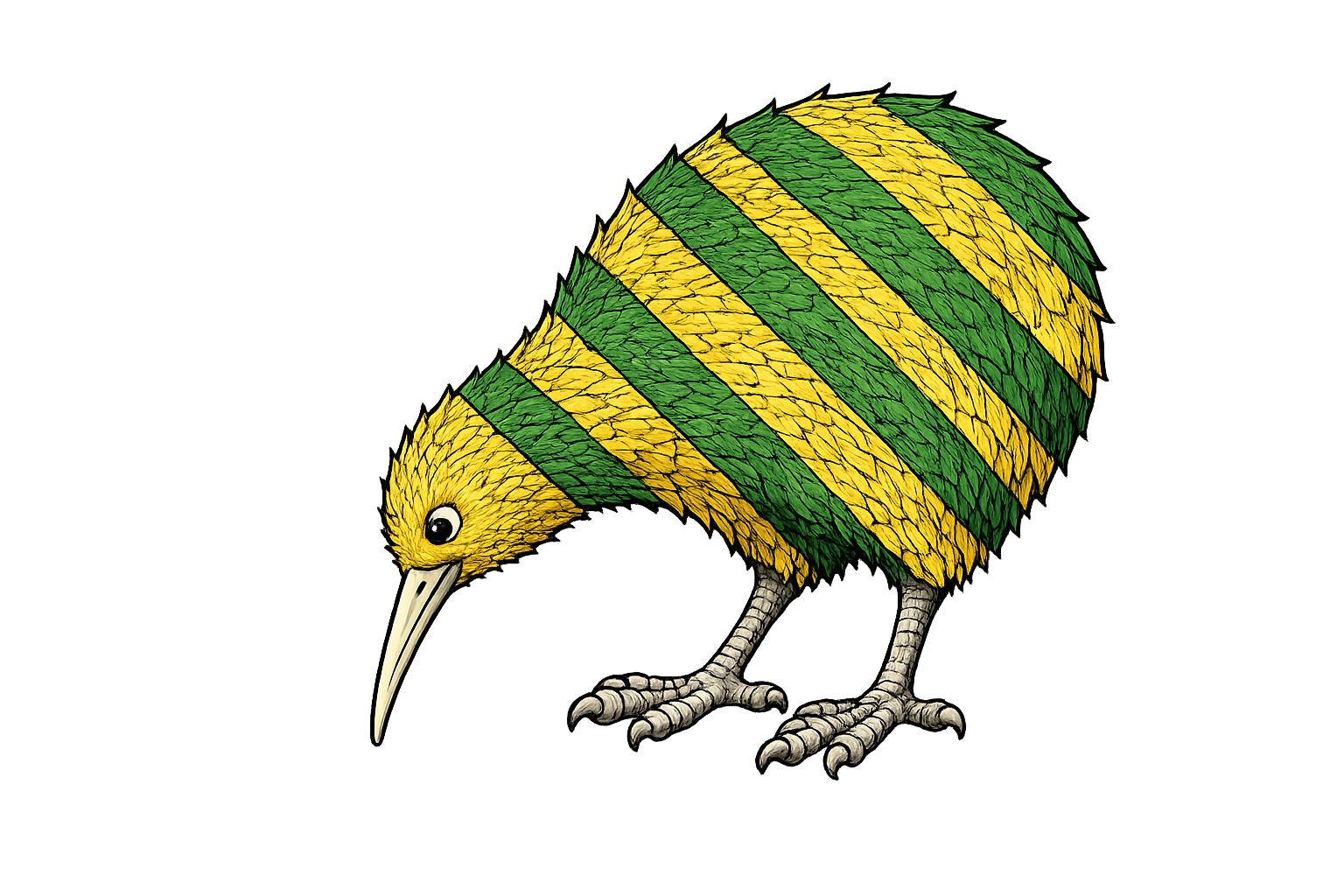
A Kiwi paly bendy Vert and Or

An Achievement of Arms

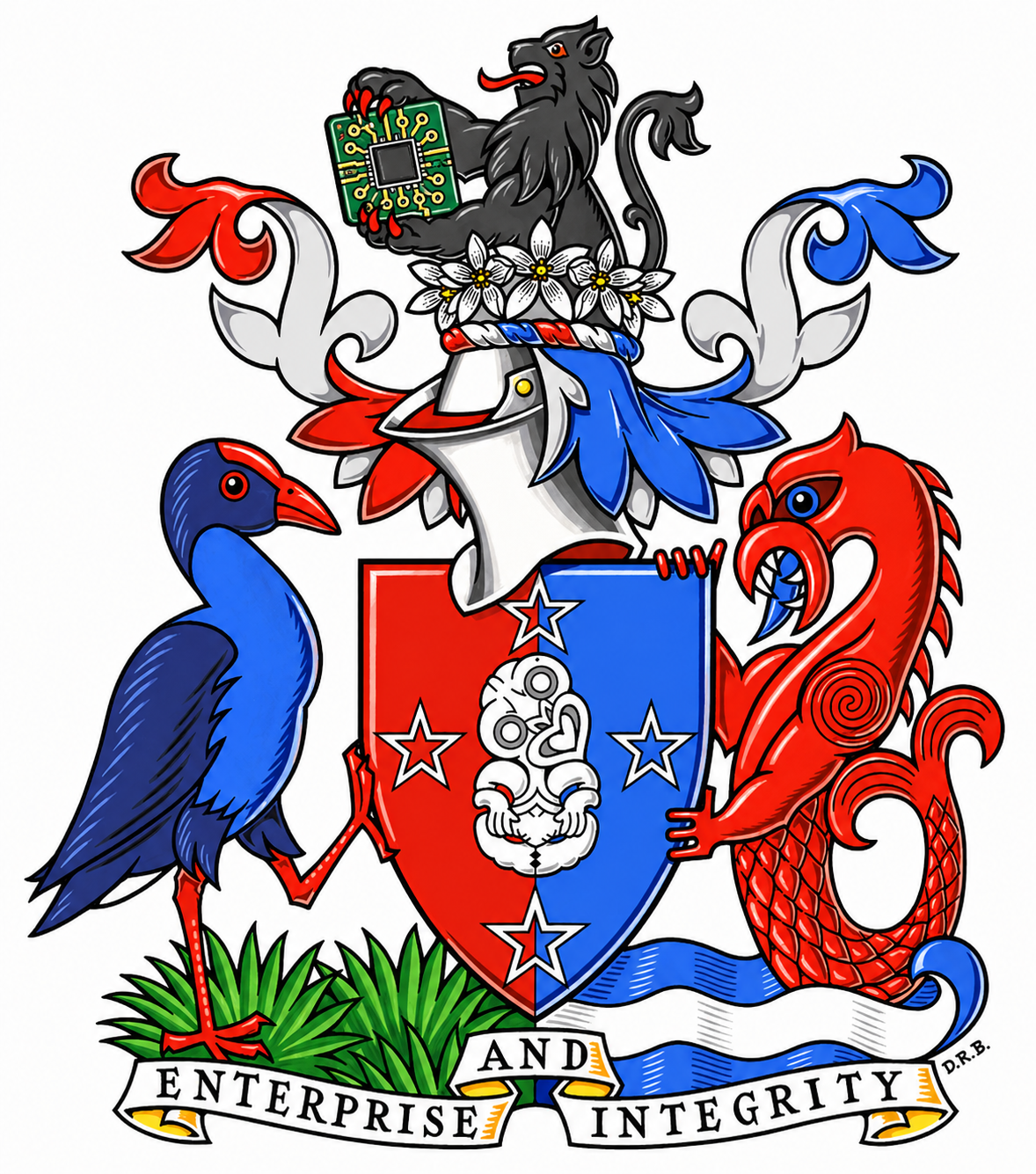
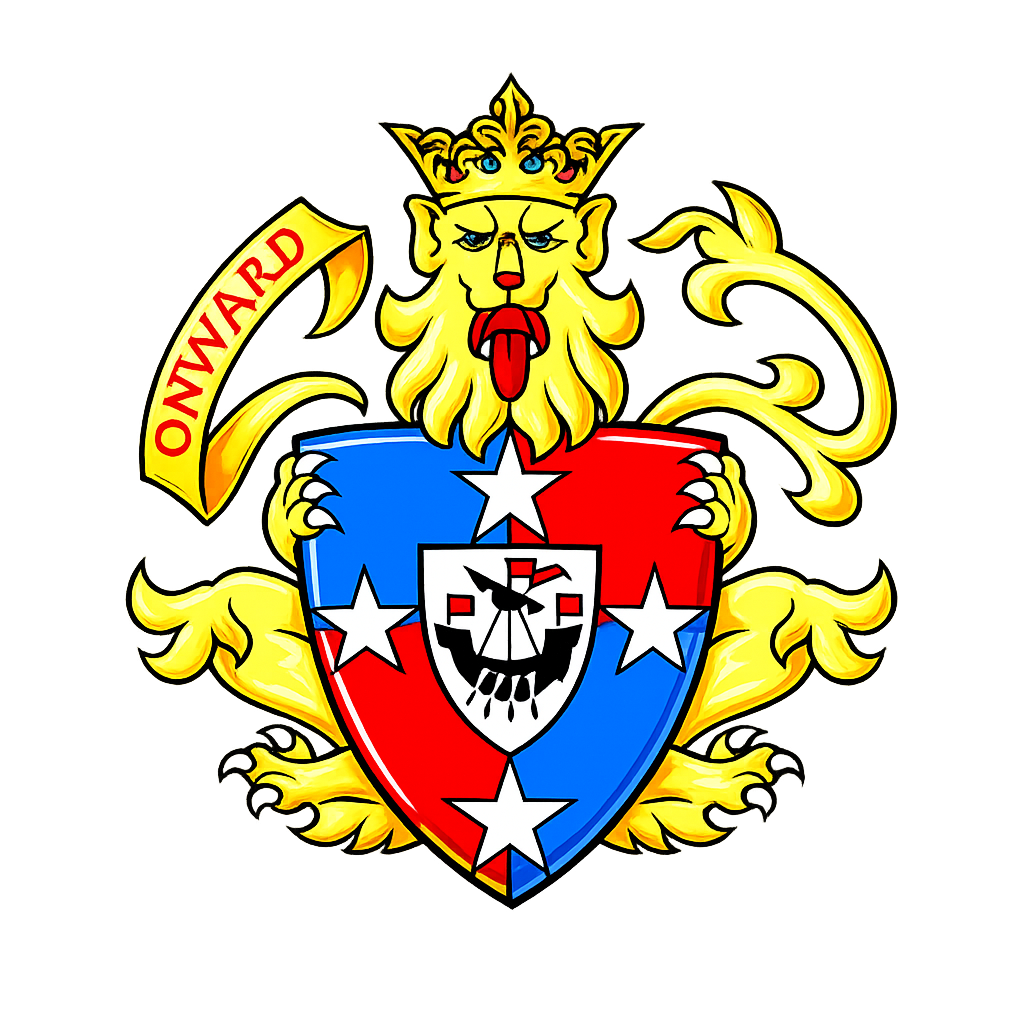
A coat of arms may be displayed as part of a larger "achievement". The shield remains central, but it may be accompanied by a helm, crest, wreath, mantling, supporters, compartment, and motto. All of these items give more information about the person or entity they represent. Below is a fictional coat of arms uniquely suited to a New Zealander.

Full heraldic achievement of arms